Sometimes the solutions to the challenges we face every day are right in front of us. One of the simplest, yet most effective solutions for mitigating climate change is planting fast-growing forests made up of native plant species. These small urban forests, planted according to the Miyawaki method, have been attracting increasing attention in recent years because they serve as the “lungs of the city.”
Today, afforestation is no longer limited to rural areas devastated by excessive logging or extreme weather conditions. Due to the heating of concrete and asphalt surfaces, rooftops, and buildings, cities are becoming heat islands, making urban afforestation a necessity. The lack of green spaces, heavy traffic, and dense construction further intensify urban warming, while trees and water naturally cool the environment.
Small urban forests, or “Cronopies” as they are called by the promoters of this method in Croatia from the Croatian Scout Association, are a way of bringing nature back into cities. These small forests help absorb CO₂, cool urban areas, increase soil moisture, and encourage biodiversity. Preventing further planetary warming and limiting global temperature rise are among the main goals of international climate agreements.
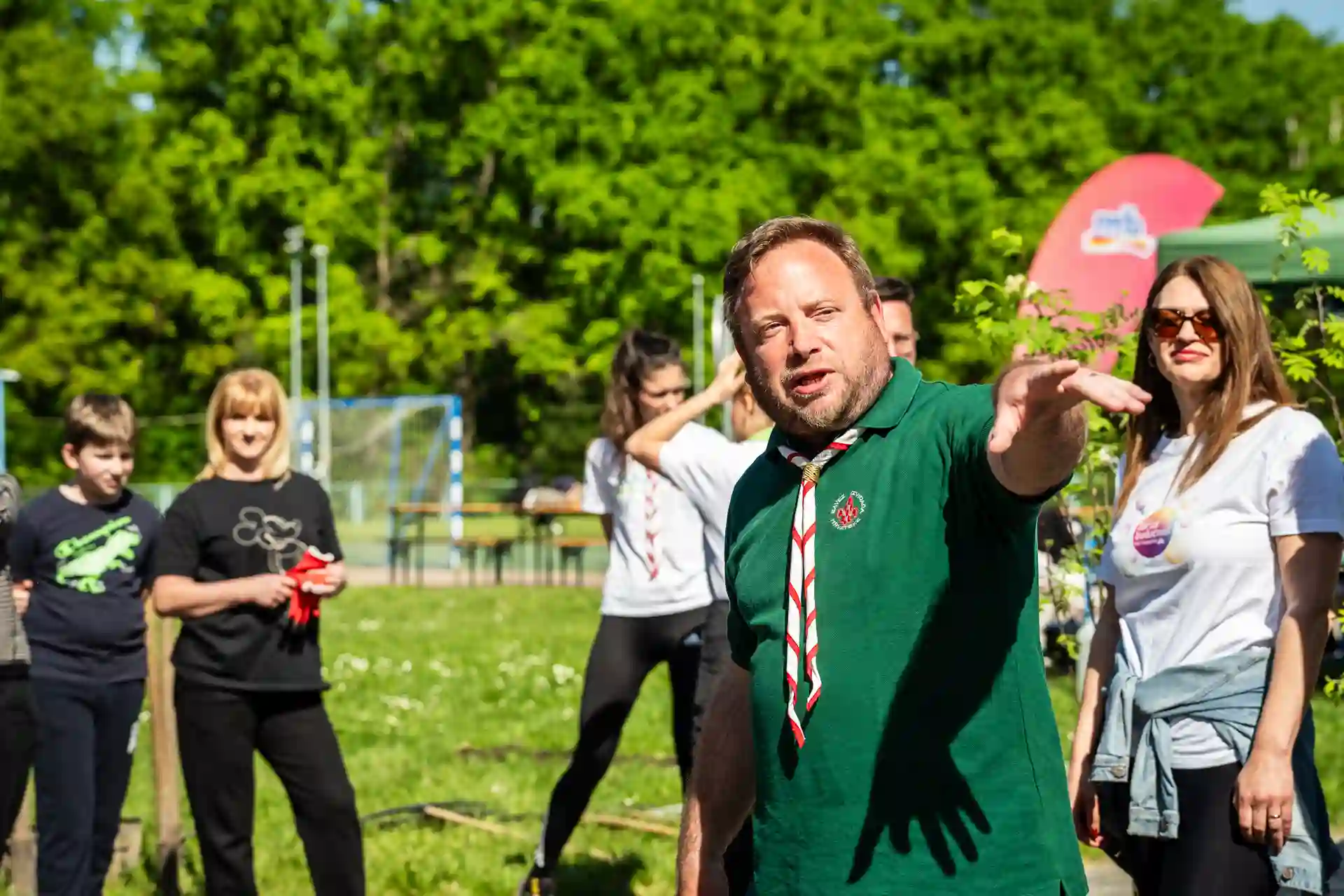
“These forest patches were created by Dr. Akira Miyawaki, a Japanese botanist, back in the 1970s. At the beginning of this century, the method spread throughout Europe, especially in Germany, the United Kingdom, and the Netherlands,” explained Dan Špicer, Business Director of the Croatian Scout Association.
The Croatian Scout Association is also involved in afforestation through other projects, gaining experience and know-how through cooperation with the Dutch-Spanish foundation “Life Terra” and the Swiss foundation “There for You,” which focuses on afforestation within the European Union. They combined this knowledge with the expertise of local forestry specialists and professors from the Faculty of Agriculture, resulting in the Cronopies project.
Mini Jungles That Grow Faster Than Traditional Forests
According to Dan Špicer, the goal is for Cronopies to eventually become a true mini jungle.
“It is an excellent solution for combating climate change because these forests grow three to five times faster than average forests,” Špicer emphasized.
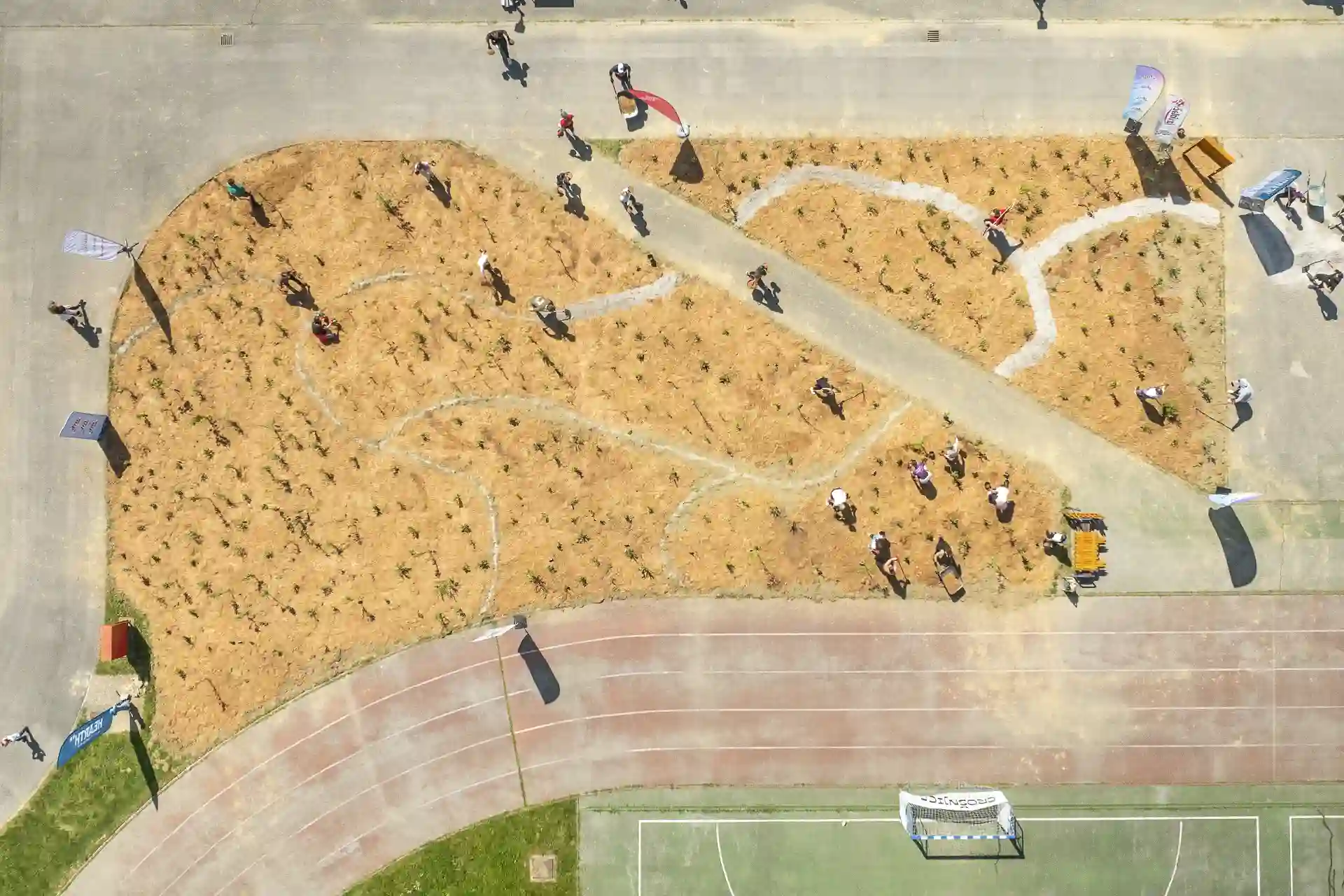
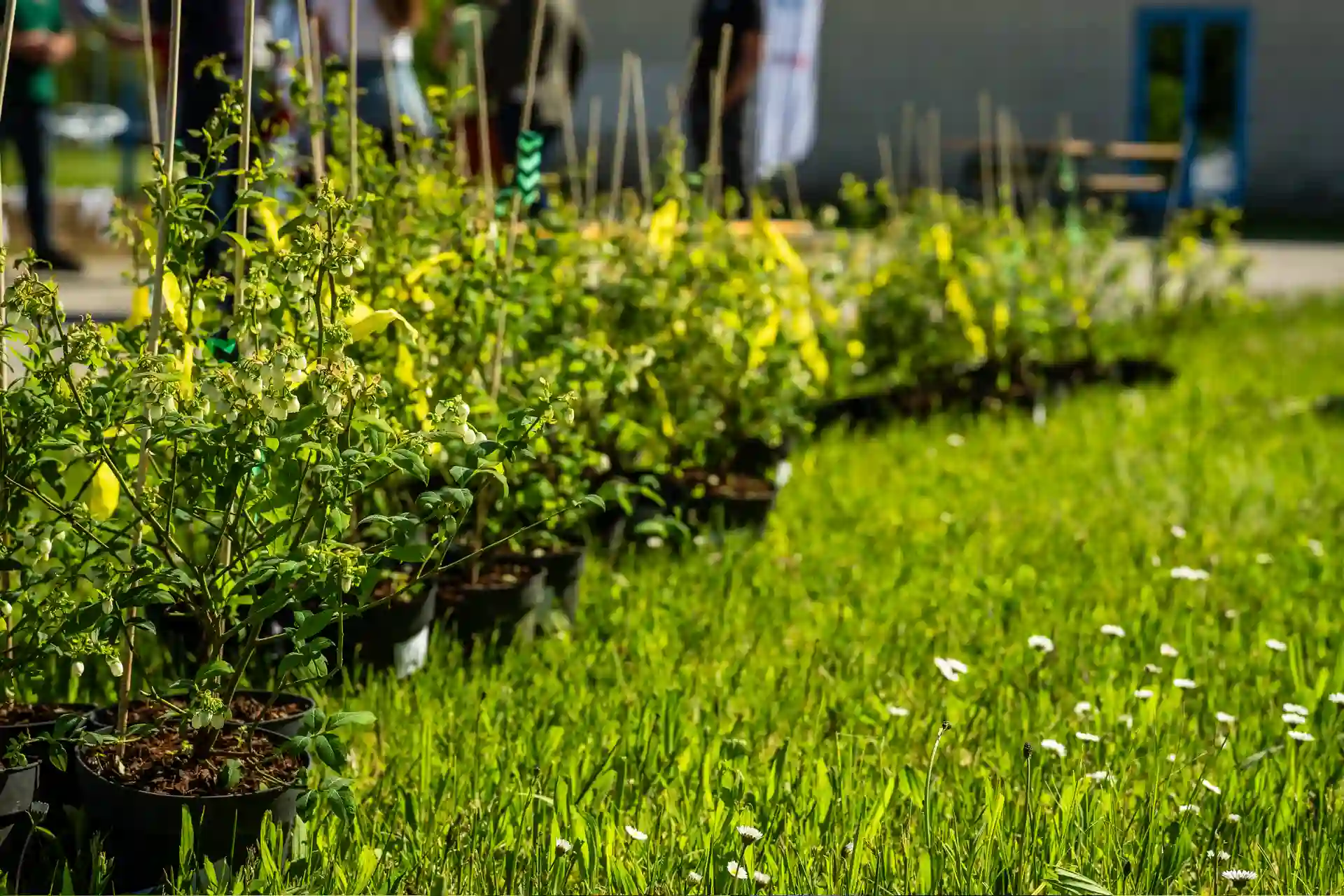
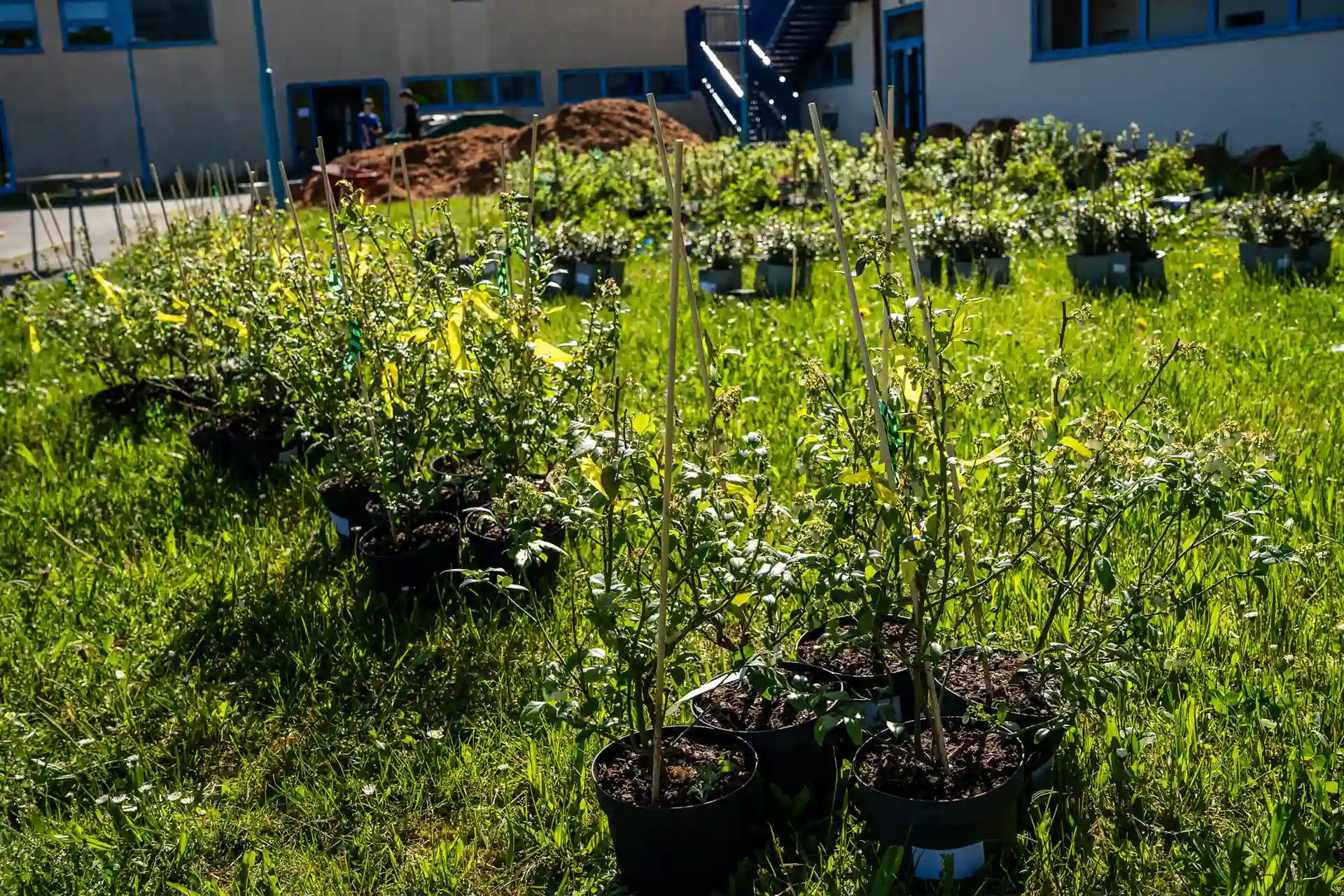
The plants are arranged according to a specially designed planting plan, densely and carefully positioned so they do not overshadow one another. Native species of similar height are planted-oak, hornbeam, beech, as well as aronia, raspberry, and many other species.
In this way, all the plants grow simultaneously and “compete” for their place under the sun, which stimulates accelerated growth. Before planting, the soil is sampled and chemically analyzed, after which it is specially prepared. Planting is followed by care and regular maintenance until the plants become well rooted.
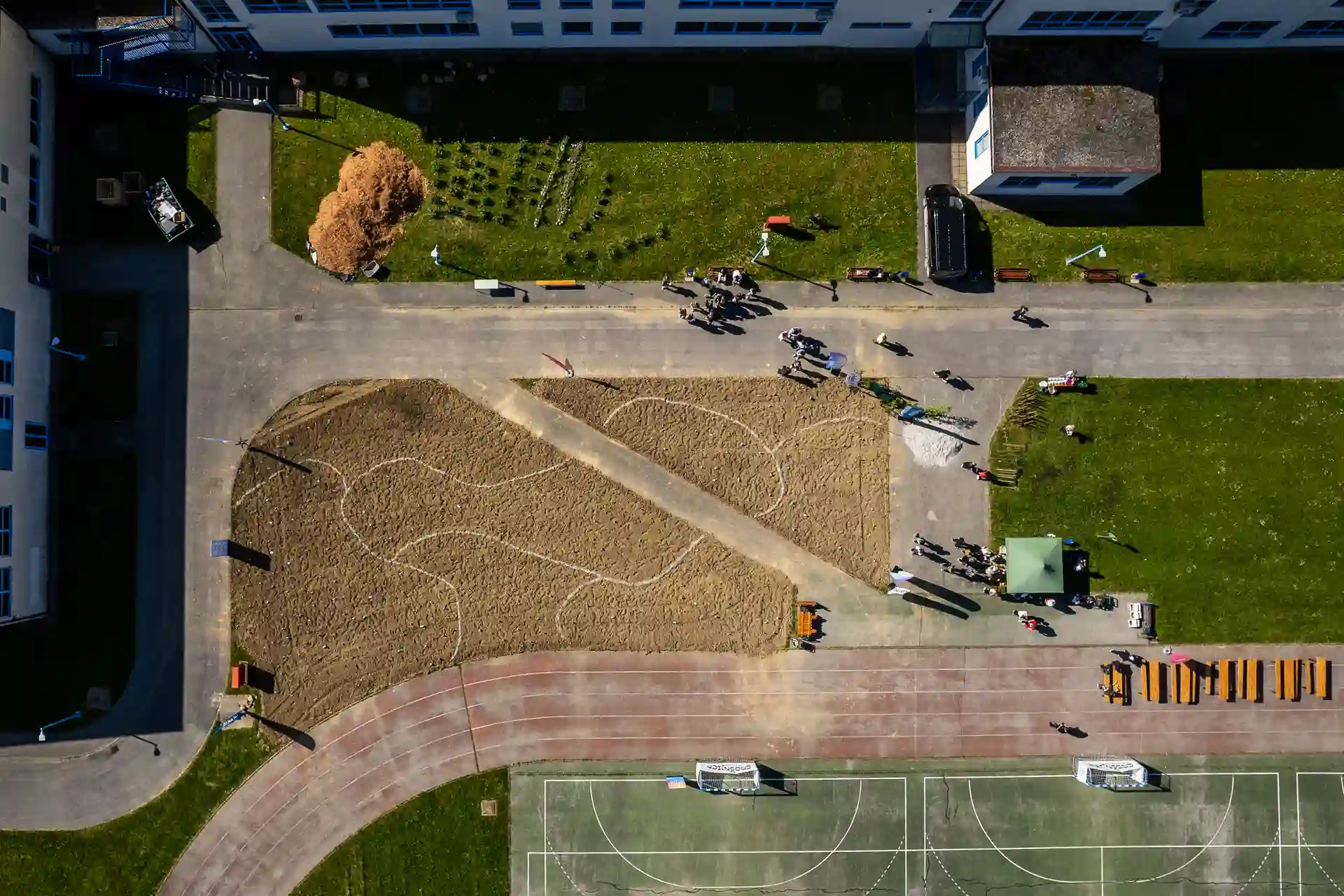
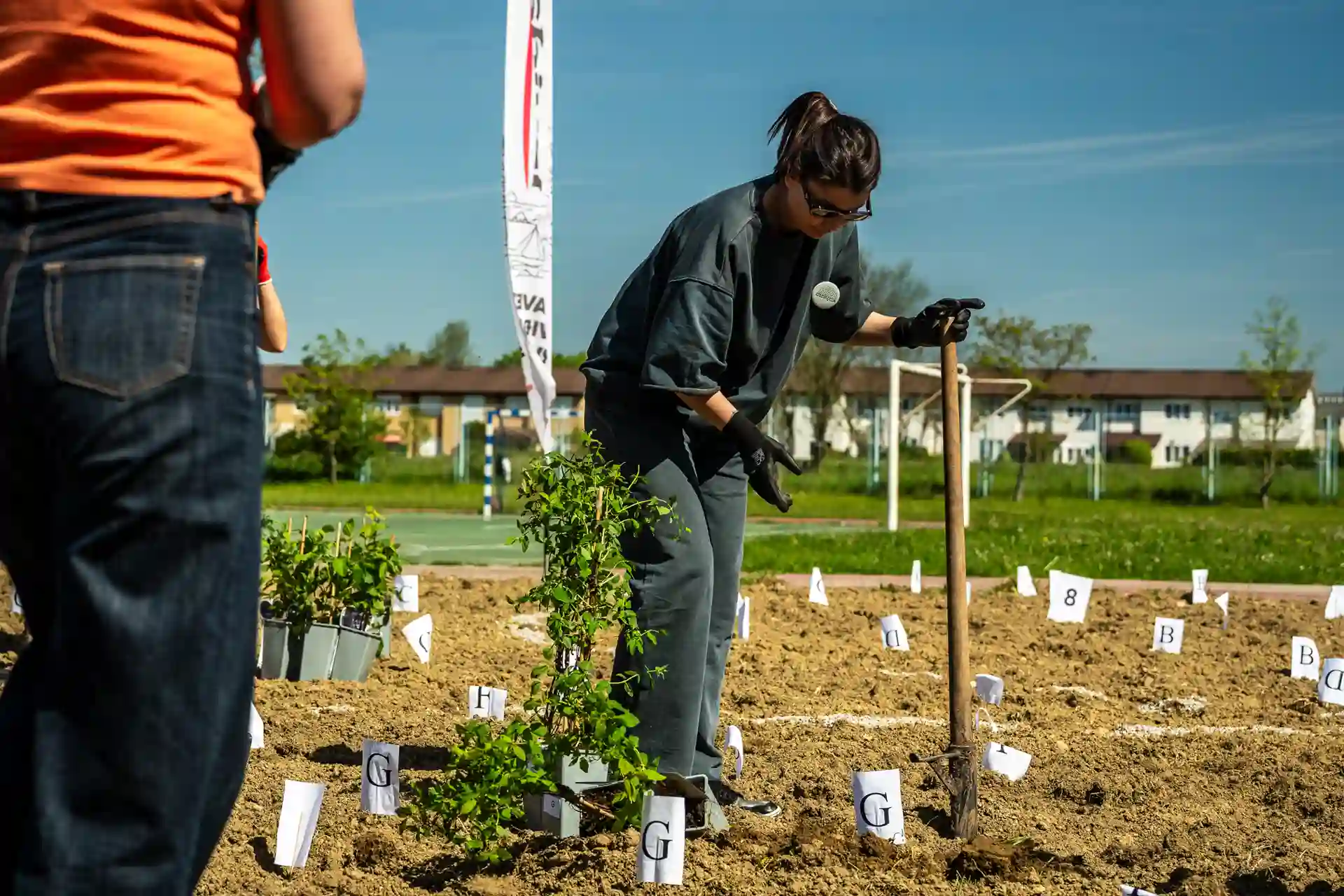
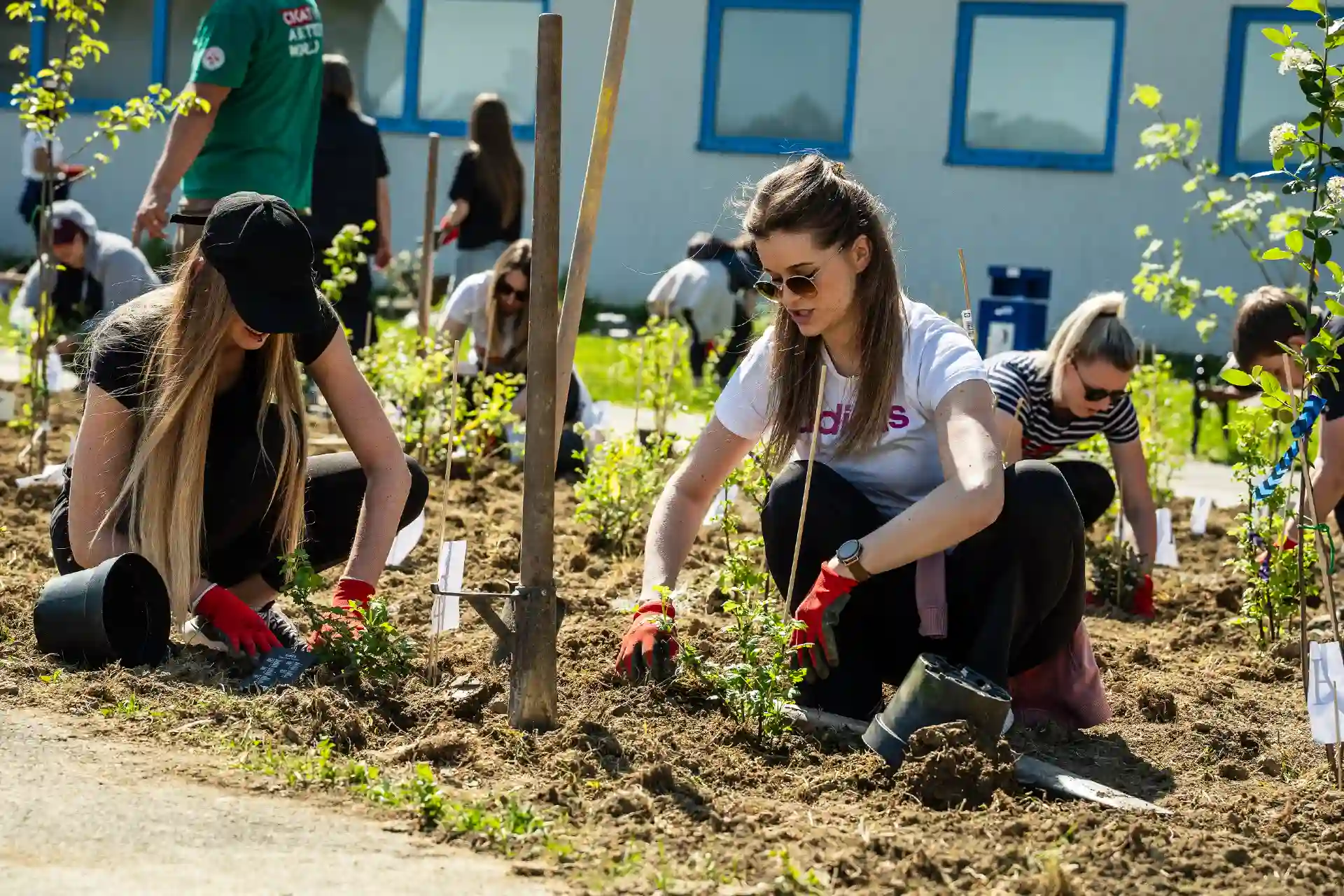
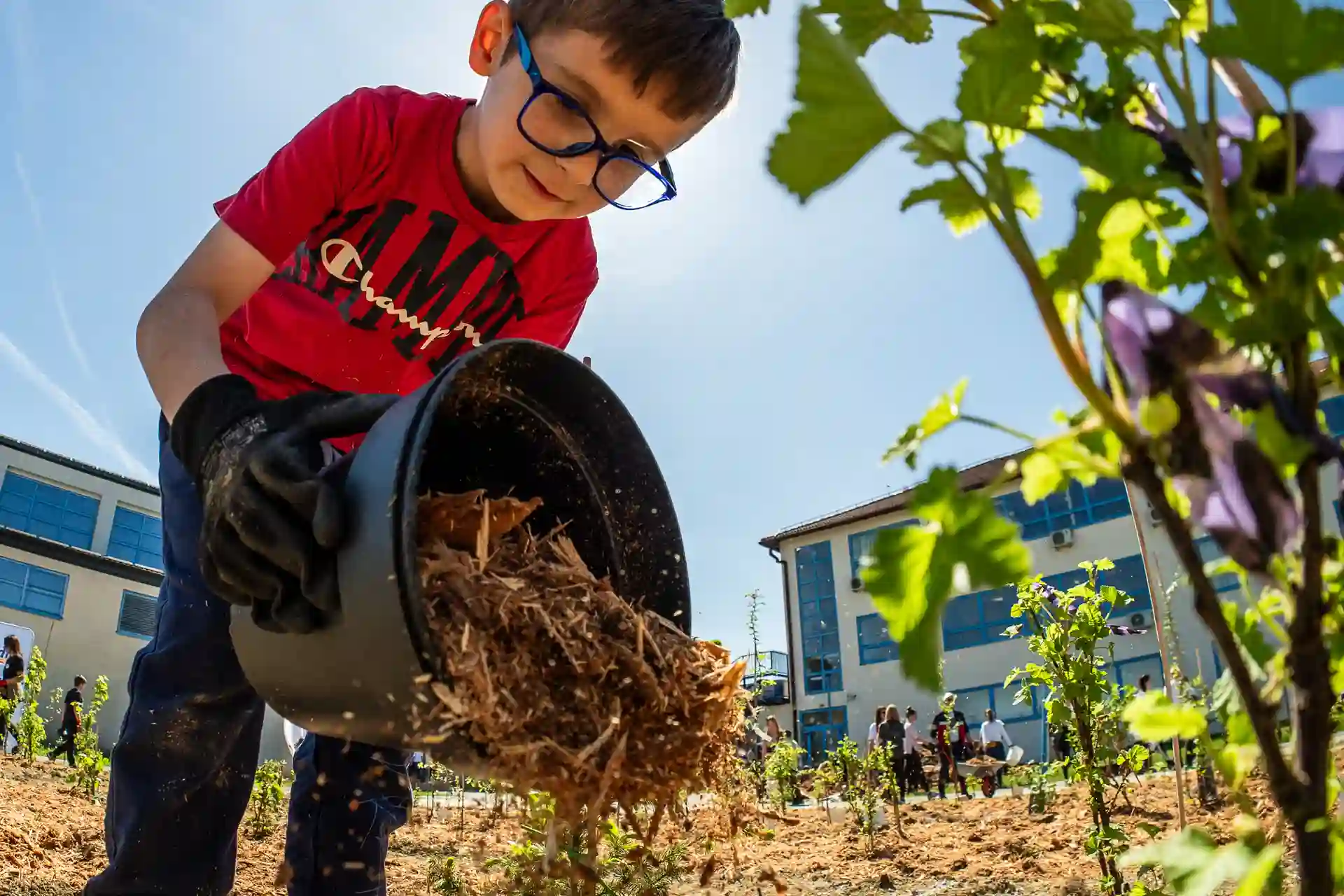
The planting process itself is highly precise. Each sapling has its own number and designation according to a pre-prepared planting scheme. Once the terrain is prepared, the entire area can be planted in less than an hour. This is followed by a second phase – mulching, creating gravel pathways, and installing tree stumps and fencing.
An Outdoor Classroom
The Cronopies project has not only ecological but also educational value. Its aim is to bring small urban forests closer to children and young people and involve them in the process of nature conservation.
Such Cronopies will also be planted in four Croatian cities within a Croatian Scout Association project implemented through the Swiss-Croatian Cooperation Programme. One example is the project at Ban Josip Jelačić Secondary School in Zaprešić, where a small outdoor classroom has been created.
“We have a board with a QR code through which students can see which plant species are represented. Biology teachers can hold classes outdoors, and as the students grow, so does the forest patch. On-site, they can follow the forest’s development and learn about nature,” explained Špicer.
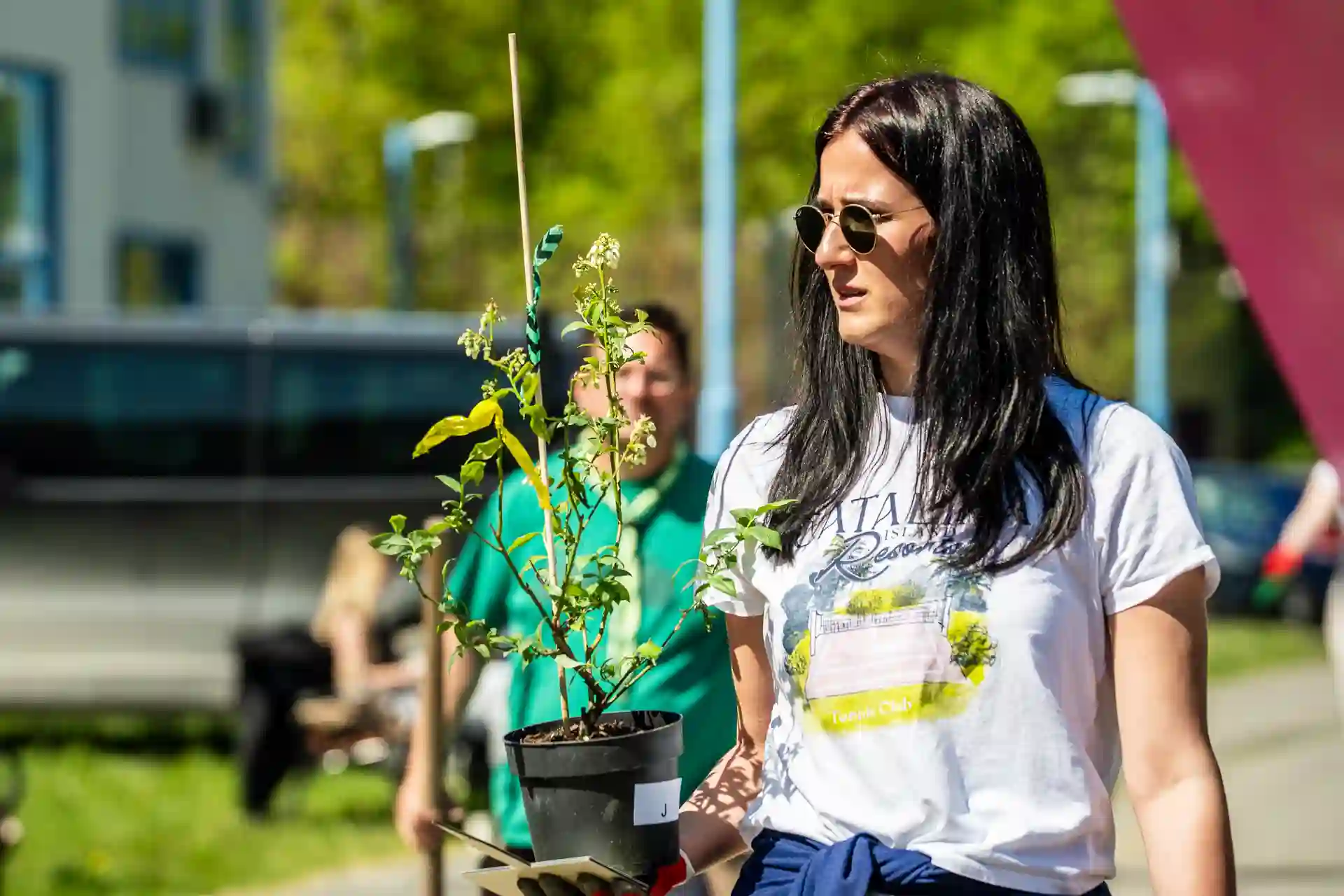
He added that it is especially important that students participate in the planting itself.
“If someone creates something themselves, they will care much more about it later,” he said.
Cronopies are therefore becoming more than just an afforestation project. They represent a combination of ecology, education, and collective action-a small step toward greener and more resilient cities of the future.